
Hotel textiles are the product group a guest is in contact with for the longest time during their room stay. Whether the bedding looks clean and crisp, how absorbent the towel is, how supportive the pillow is, and how well the duvet balances warmth all directly shape the sense of comfort. From a purchasing standpoint, real quality is not about first use — it's whether the product keeps its size, colour and function after many wash-and-dry cycles.
For this reason, hotel textile selection should not be reduced to a single catalogue figure like weight or thread count. Fabric construction, stitching, shrinkage allowance, laundry conditions, room standard, spare stock and total cost of use should all be evaluated together.
The basic approach to hotel textile selection
The right product is one that matches the property's usage intensity and operating model. A boutique hotel, a resort, a city hotel and a health-tourism facility may not need the same textile standard. A property using an outsourced laundry and one running its own industrial laundry may also differ in temperature, chemical and drying processes.
Before purchasing, the following should be clarified:
- Bed and base-frame dimensions
- Average occupancy and laundry turnaround time
- Wash temperature, chemicals and drying method used
- Desired comfort level by room category
- Product replacement and retirement criteria
- The most common issues with current textiles
How should hotel towels be selected?
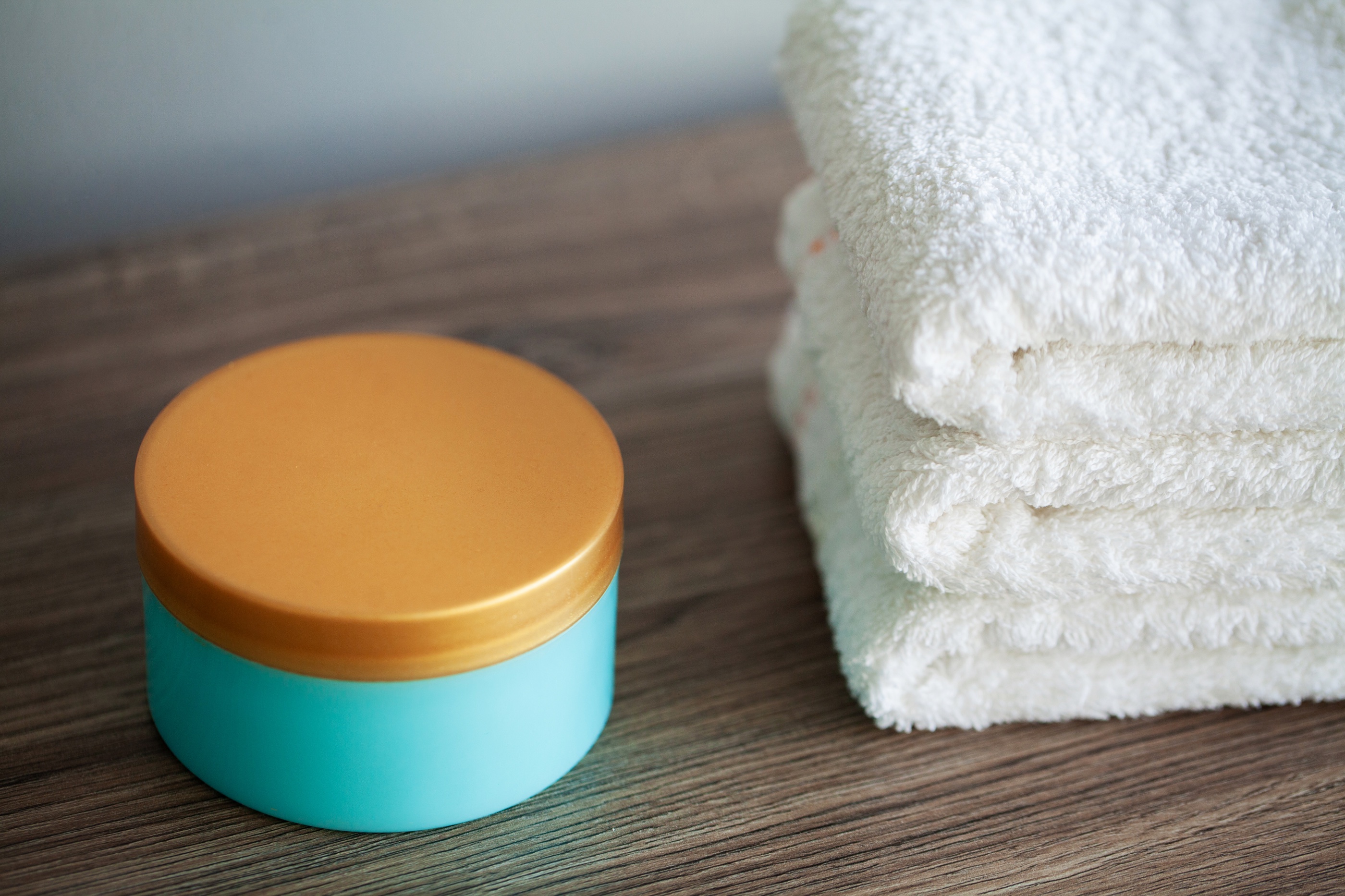
Weight (GSM), the fabric weight per square metre, is an important indicator for towels, but it is not on its own a guarantee of absorbency or durability. Yarn structure, pile height, weave density, edge stitching and finishing processes also determine performance. A very heavy towel can feel luxurious, but it holds more water, dries more slowly and increases the laundry's energy load.
The following points should be checked when evaluating a sample:
- Absorbency after the first wash and after repeated washes
- Linting and pile loss
- Edge curling or seam failure
- Change in dimensions and shape
- Drying time
- Stain-removal performance
- Whether the white shade matches other products
Different sizes and weights can be chosen for hand towels, bath towels, face towels and bath mats depending on their intended use. For the bath mat, slip resistance, how flat it lies on the floor, and whether it holds its shape after frequent washing should also be tested.
Fabric construction for duvet covers and sheets
Cotton, cotton-polyester blends and different weave structures offer different balances between comfort and operations. Cotton fabrics can provide a natural hand-feel and breathability. Blended fabrics may offer an operational advantage in some cases through easier wrinkle management, faster drying and better dimensional stability. Selection should be based on finished-product performance, not fibre ratio alone.
Sateen-striped bedding gives the bed a distinctive, tidy look, while plain white sets adapt easily to different room concepts. In both cases, the fabric's post-wash appearance, its ironing or calendering process, and its opacity under light should all be examined on a sample.
Thread count alone is not a quality indicator
Thread density tells you something about a fabric, but a higher number does not automatically mean a better hotel textile in every case. Yarn quality, ply structure, weave balance, fabric weight and finishing all need to be evaluated together. Rather than comparing marketing figures, comparing the hand-feel, strength and appearance of samples washed under the same laundry conditions gives a more reliable result.
Correct sizing and shrinkage allowance
A sheet pulling off the mattress, a duvet cover that's too tight for the duvet, or a pillowcase that comes out small is often the result of a sizing plan that wasn't based on real post-wash measurements. When setting purchase dimensions, factor in mattress height, duvet thickness, the folding method and the product's expected shrinkage rate.
You can ask the supplier in writing for pre- and post-wash dimensional tolerances. Samples should be washed several times under the property's real program and then measured. If there are different bed brands or room types, you shouldn't assume one size will work smoothly across every room.
Comfort and hygiene in pillow selection
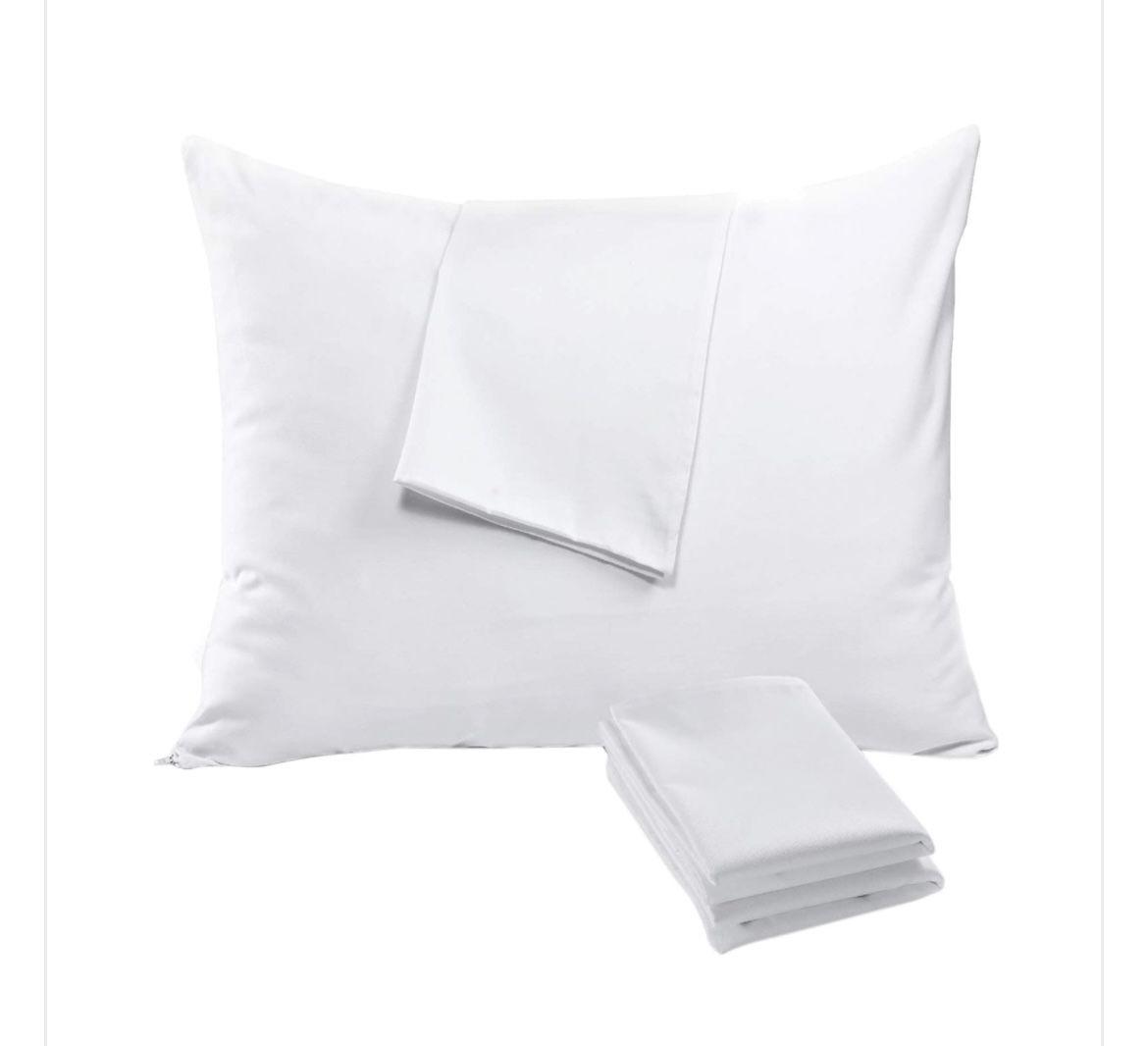
A pillow's height, fill type, resilience and casing construction all affect sleep comfort. A single firmness level may not be ideal for every guest. Depending on the property's service model, additional support levels can be offered alongside the standard pillow.
The following features should be examined when selecting pillows:
- Whether the fill recovers its shape after use
- Casing breathability and seam strength
- Washing or professional-care instructions
- Size compatibility with a protective cover
- Odour retention and moisture management
- Storage volume and logistics requirements
Using a pillow protector can reduce direct soiling of the pillow, but the protector itself should also be included in the regular maintenance plan.
Warmth balance and fill distribution in duvets
Looking at fill weight alone is not enough when choosing a duvet. The room's climate-control standard, regional seasonal conditions, fill material and the baffle-box construction all affect the sense of warmth. The fill needs to stay evenly distributed between compartments, without clumping or leaving gaps at the edges.
A duvet that's too warm can lower sleep quality; one that's too light can lead guests to ask for an extra blanket. If a property experiences different seasonal conditions throughout the year, a seasonal duvet plan or an additional textile option can be worth considering.
Whiteness, colour consistency and stain management
White textiles reinforce a sense of cleanliness and make stains easier to spot and control. But shade differences between production batches can be noticeable on the same bed or in the same bathroom. Ask the supplier about their colour standard and batch tolerance, and evaluate new stock alongside existing inventory.
An overly bright optical-white look is not, on its own, a sign of quality. Whether the product shows yellowing, greying or localised colour change under the property's real wash program should be monitored. If the stain-removal procedure is shortening the fabric's lifespan, the chemical dosage and program should be reviewed jointly by the textile supplier and the laundry.
Certification and document verification
Environmental or health-focused labels used in textiles differ in scope. OEKO-TEX STANDARD 100 is a labeling system focused on testing textiles for harmful substances. GOTS is a different standard covering environmental and social criteria across the supply chain for textiles containing certified organic fibre. These two claims do not prove the same thing.
When a document is requested, check whether the certificate belongs to the supplier company generally, to a specific facility, or to the exact end product being purchased. A certificate number, validity date, product scope and authorization to use the label should all be verified before making a definitive claim in marketing communication.
How is an industrial wash test carried out?
A sample test should, where possible, be run under the property's real laundry conditions. Products are tagged and their initial dimensions and weight are recorded. After a defined number of wash-and-dry cycles, shrinkage, colour, seams, linting, absorbency and hand-feel are assessed. Looking at more than one sample, rather than a single item, gives a better picture of production consistency.
A test report can include the following fields:
- Initial and final dimensions
- Wash program and temperature
- Chemicals used and dosage
- Drying method
- Visual defects
- Reason for retirement
- Staff and guest feedback
Par stock and spare-quantity planning
Par stock is an operational planning approach describing the number of sets needed to cover a bed's or room's textile requirement. The required quantity should be calculated based on occupancy, laundry round-trip time, the set in the room, the clean set in storage, the set currently in the wash, and an allowance for damage. Planning around the property's real turnaround time, rather than using a fixed number for every property, reduces both stock shortages and unnecessary capital tied up in inventory.
Textile counts should be tracked by product type and size. Storage shelving, labeling and a folding standard can be defined to prevent similar-looking but different sizes from getting mixed up.
How is total cost of use calculated?
Dividing the purchase price by the expected number of uses or washes is a useful starting point, but energy, water, chemicals, labor, drying time and the early-retirement rate should be added to it. If a cheaper towel is retired early due to edge fraying or permanent stiffening, its cost per use can end up higher.
For a fair comparison, the same products need to be tested under the same conditions. Washing one sample on a home program and another on an industrial program will not give a reliable result.
Purchasing checklist
- Verify all bed, duvet and pillow dimensions.
- Share your current laundry program with the supplier.
- Get pre- and post-wash tolerances in writing.
- Test sample products through repeated wash cycles.
- Check stitching, edges, colour and batch consistency.
- Verify the scope of documents and certificates.
- Calculate par stock and the reorder point.
- Report retirement reasons on a regular basis.
Well-chosen hotel textiles give guests comfort and give the property predictable operating costs. When reviewing Parpa's towel, bedding, pillow and duvet options, you can identify the right product group by considering size, usage intensity and laundry conditions together.
Frequently Asked Questions
No. Weight is an important data point, but it should be evaluated together with yarn, weave, absorbency, drying time and wash durability.
It can be, depending on the property's comfort goals and laundry operation. The decision should be based on the real sample's hand-feel, appearance, drying and dimensional performance — not on fibre ratio alone.
A single wash does not give a reliable picture. A pilot plan should be built around repeated cycles, taking into account the property's purchasing risk, usage intensity and supplier data.