Hotel amenity products are among the most visible details a guest comes into direct contact with during their stay. Items such as shampoo, shower gel, soap, conditioner, dental kits, shaving kits and vanity sets may seem small, but together they shape hygiene perception, brand impression and operational quality. The right choice should not be based on unit price alone; guest profile, consumption volume, room standard, supply continuity and waste management all need to be evaluated together.
What are hotel amenity products?
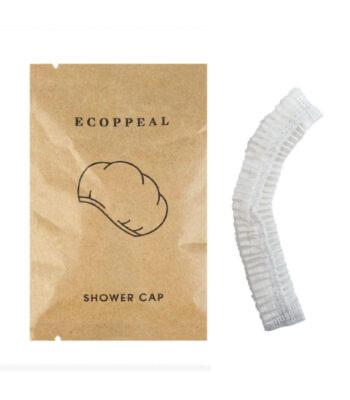
Amenity products is the general term for personal care and hygiene items offered to guests at hotels, boutique hotels, guesthouses, resorts, spas and similar accommodation facilities. The scope varies with the property's service model. A basic set typically includes soap, shampoo and shower gel, while upper-segment rooms may add complementary items such as conditioner, body lotion, a dental kit, a shaving kit, a shower cap, a comb and a grooming kit.
Start the selection with guest profile and room category
The same amenity set is not the right fit for every property and every room. A business guest on a short city-hotel stay may prioritise practical, easy-to-open products that cover the basics. A resort or spa guest, on the other hand, may pay more attention to scent, texture, the feel of the formulation and overall presentation. Defining different set levels for standard rooms, suites, family rooms and spa areas reduces unnecessary consumption while maintaining the service standard.
The following questions should be clarified before deciding:
- How many nights is the average stay?
- How many guests are typically hosted in the room at the same time?
- Which products are actually used on a regular basis?
- Which bathroom details come up most in guest feedback?
- Will products be replenished daily or only on request?
How should cosmetic formulation and product safety be evaluated?
Formulation and document transparency matter just as much as packaging design. Ask the supplier for the ingredient list, manufacturer information, batch traceability, shelf life and relevant compliance documents. Terms such as "natural," "organic" or "eco-friendly" should not be accepted as proof on their own — ask which standard or verifiable document the claim is based on.
For scent, balanced options that a broad range of guests can accept are often a safer choice than heavy, long-lasting fragrances. Legible labels and easily accessible ingredient information are operationally valuable for guests reporting sensitivities. Testing samples with staff and a limited group of guests before committing to a full order is a good preliminary check.
Packaging format: single-use or dispenser?
Single-use bottles and sachets provide controlled portions, consistent presentation and easy room preparation, but they generate packaging waste with every use. Refillable or cartridge-based dispenser systems have the potential to reduce packaging volume, but the locking mechanism, seal integrity, cleaning procedure, refill tracking and product hygiene all need to be properly managed.
The decision should not be reduced to the single question of "which option is greener?" The following criteria should be compared together:
- Actual consumption per room
- Rate of wasted, unused product
- Packaging material and recovery potential
- Housekeeping time spent on refilling and checks
- Dispenser maintenance, failure rate and spare-part needs
- Whether guests perceive the product as safe and hygienic
How should unit size and portion volume be determined?
A unit that is too small can lead guests to ask for a second one and adds to staff workload. One that is too large increases the amount of half-used product left behind. The right unit size is best determined through a pilot measurement based on length of stay, frequency of use and replenishment procedure — shampoo and body lotion, for example, are not consumed at the same rate. Deciding case by case rather than applying one size to every product gives a more accurate cost calculation.
Brand identity and bathroom presentation
The colour, typography, packaging texture and scent character of the amenity range should align with the hotel's overall identity. A clean, functional design can work well for a straightforward city hotel, while a spa-focused property may prefer a more sensory range. If custom-logo or private-label production is being considered, minimum order quantity, print setup time and colour consistency across future batches should be discussed in advance.
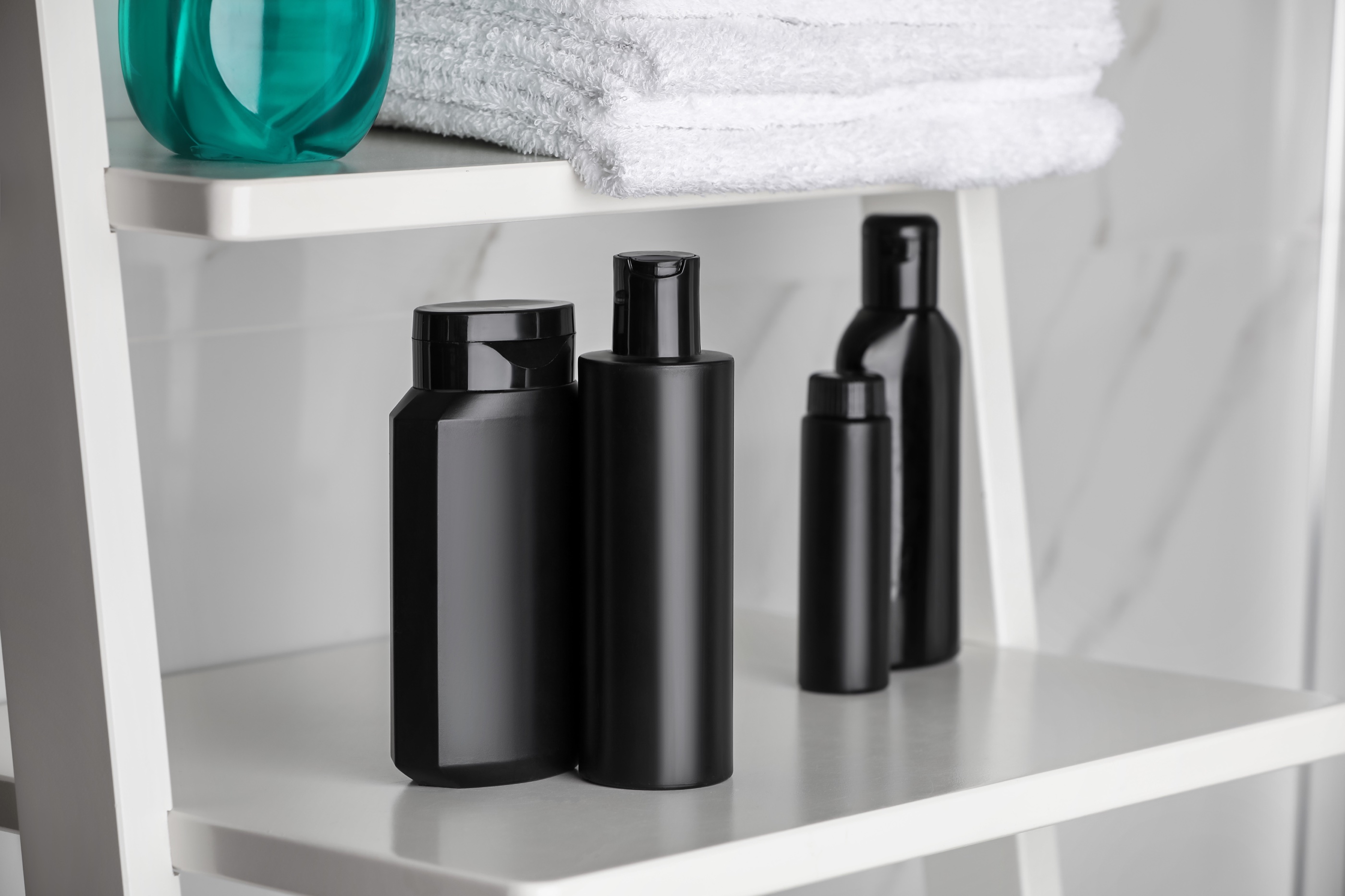
It also matters that the products form a coherent visual whole with the tray, towels, soap dish and other bathroom accessories. Consistency within a single range, rather than mixing many different colours and packaging styles, gives a tidier, more upscale appearance.
Calculate total cost of use, not just unit price
The lowest quote is not always the most economical option. Total cost should include shipping, storage, staff time, breakage or leakage losses, dispenser maintenance and the risk of emergency reordering, in addition to the product price itself. If a product is hard to open, has inconsistent flow, or comes in fragile packaging, a low unit price can turn into extra operational cost.
A solid comparison table can include the following fields:
- Estimated consumption per room per night
- Units per carton and minimum order quantity
- Lead time and reorder point
- Shelf life and storage conditions
- Sample approval and quality-control method
- Alternative product or emergency-supply plan
Questions to ask your supplier
Clarifying the technical and operational side of a product in writing before ordering reduces the risk of surprises later on.
- Who is the manufacturer and what is the product's origin?
- Can ingredient, label and compliance documents be shared?
- Is traceability provided through batch numbers?
- What is the minimum order quantity and standard lead time?
- How long is the setup time for custom printing or logo application?
- What is the process for damaged goods or quality deviations?
- Can complementary products in the same range be supplied on an ongoing basis?
A short checklist for implementation
Start by pulling your current consumption data, then define the required product set for each room category. Request samples from two or three candidate ranges. Evaluate ease of use with housekeeping, total cost with management, and visual fit with the brand team. Run a pilot in a small group of rooms, and only move to a periodic order once you have seen the results.
The right hotel amenity products give guests a clean, reliable, on-brand experience while also making housekeeping's job easier. When reviewing Parpa's product options, you can build a sourcing plan suited to your needs by considering property type, target quantity and presentation expectations together.
Frequently Asked Questions
No. As long as the service standard is maintained, the scope of the set can vary by room category, length of stay and area of use. This approach can improve both the guest experience and consumption control.
They are not automatically the right choice for every property. Hygiene procedure, staff capacity, installation space, spare parts and guest expectations should all be evaluated together.
Minimum production quantity, print proofing, colour consistency, production and lead time, and the ability to sustain the same design across future orders should all be clarified in writing.