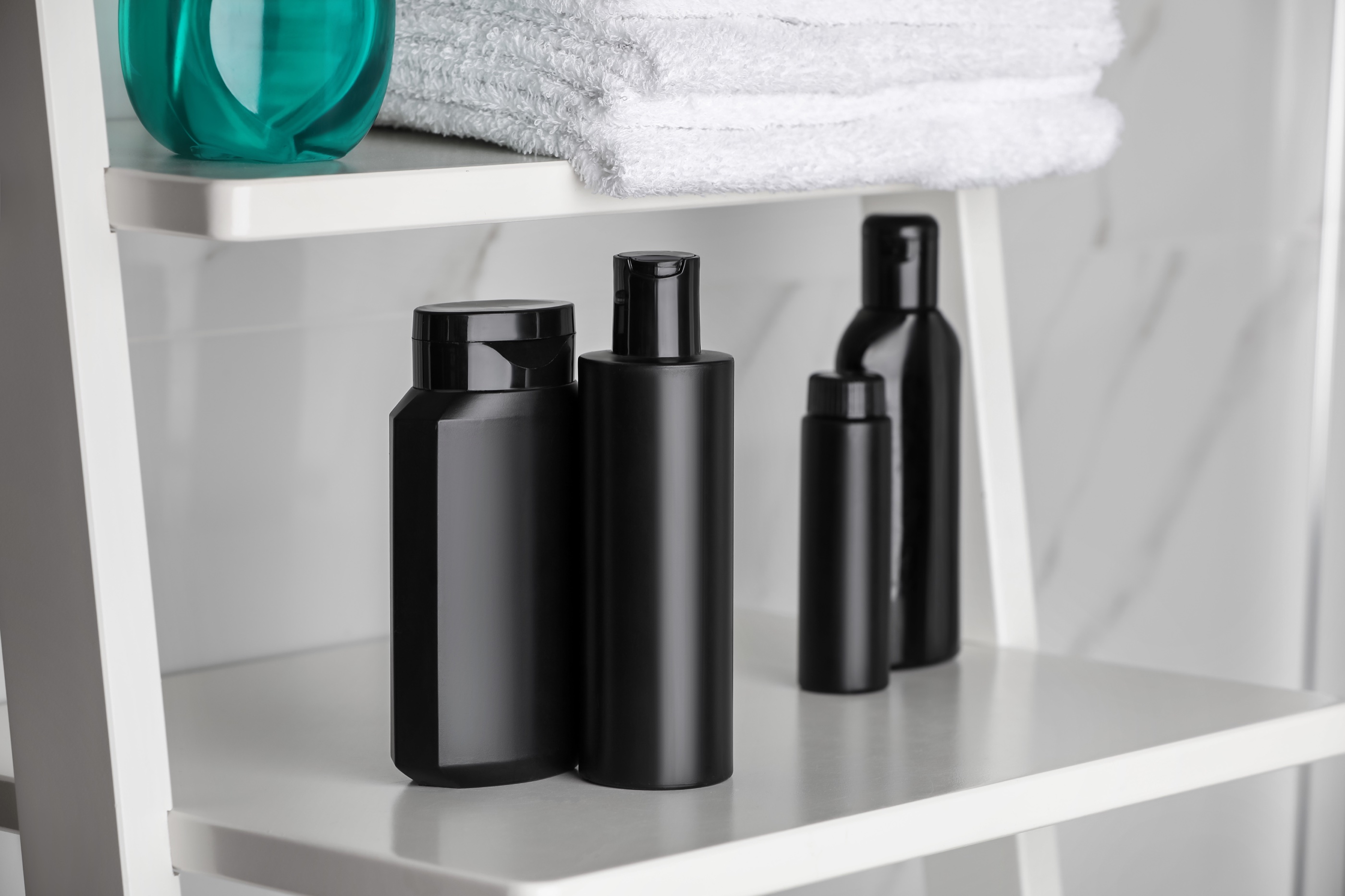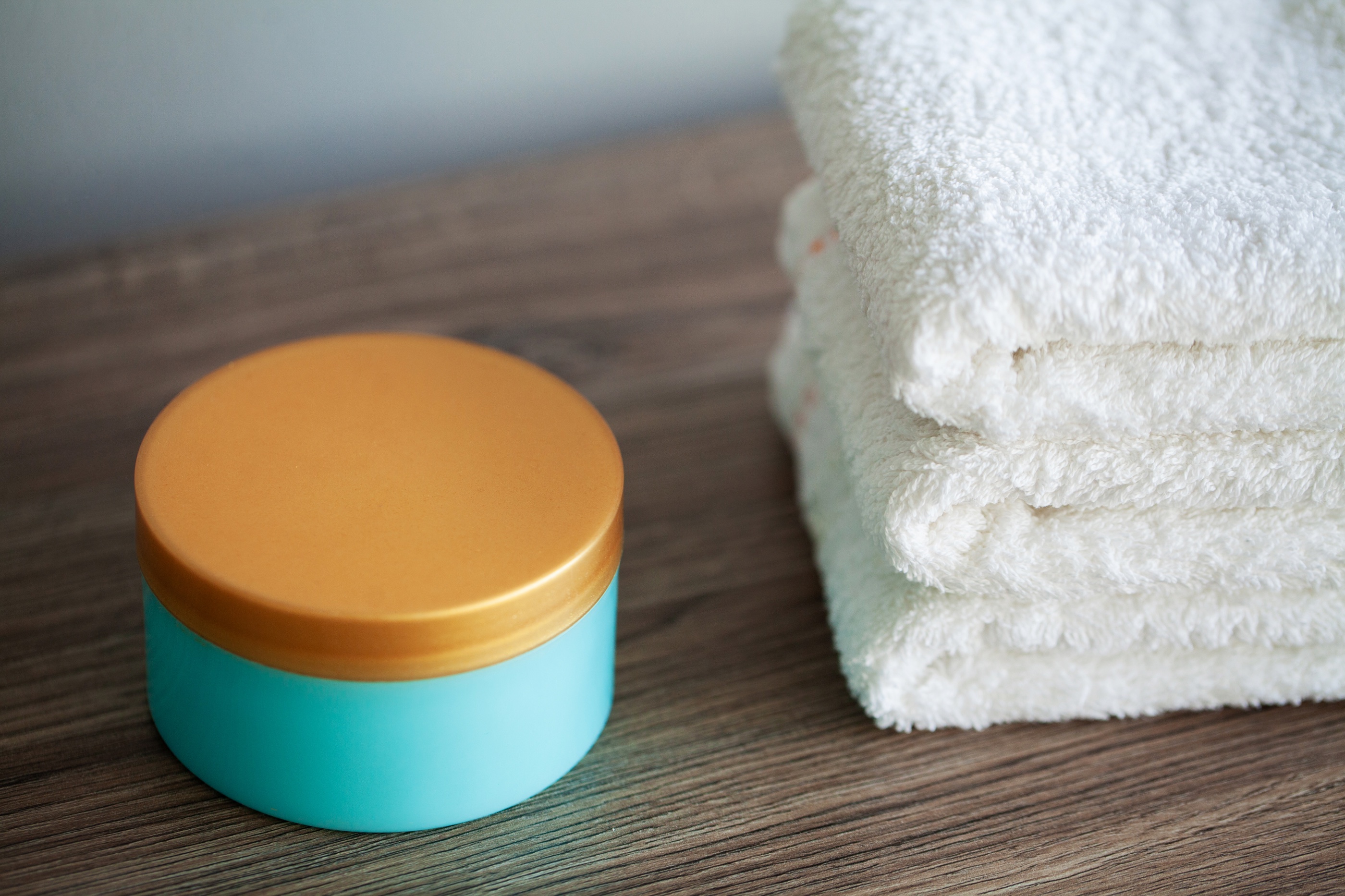
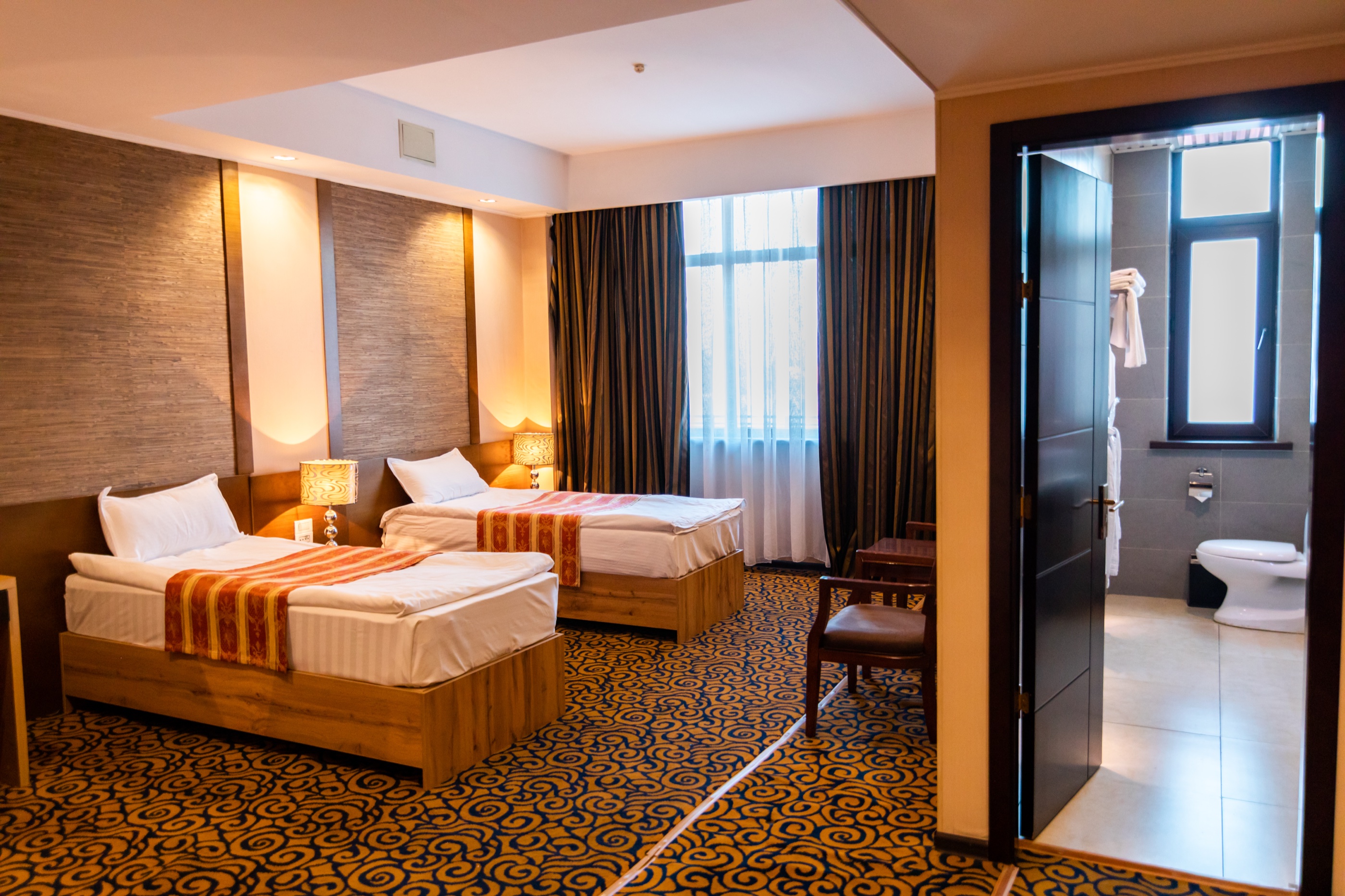
The guest experience is not made up of bed comfort or room decor alone. The small pieces of equipment a guest easily finds when needed, uses with confidence, and trusts to work properly shape the overall quality of the stay. The right in-room equipment can reduce complaints, speed up the housekeeping operation and help the property be perceived as a careful, well-run brand.
Why is in-room equipment selection a strategic decision?
A piece of equipment should not be evaluated only by its purchase price. Daily usage intensity, ease of cleaning, energy consumption, spare-part availability, the warranty process and how easily staff can check the product all affect its overall performance. From the guest's side, safety, quiet operation, simple use and accessibility stand out.
A good in-room equipment standard meets three goals at once:
- Meeting the guest's basic need without delay
- Not adding unnecessary time to room preparation and checks
- Creating consistent quality and appearance across the property
1. Electronic in-room safe
An electronic safe gives guests a personal, secure space for passports, cash, jewelry and small electronics. Selection should weigh interior volume, laptop compatibility, an easy-to-read keypad, the emergency-opening procedure, low-battery warning and mounting options. For management, it matters that the master key or authorized-override process is logged and controlled.
Positioning the safe at a visible, comfortably reachable height inside the closet can increase how often guests actually use it. Instructions should be short, clear and, where possible, available in more than one language.
2. Quiet-running minibar
A minibar is part of room comfort, especially at full-service hotels. But if motor noise, door orientation, ventilation needs and cooling performance are not properly evaluated, it can generate complaints instead of satisfaction. The dimensions of the furniture it will sit in should be checked alongside the unit's external size and its air-circulation requirements.
Interior shelf layout can be chosen based on whether the minibar is run empty or stocked with paid items. Easy-to-wipe surfaces and a clearly visible temperature control make the job easier for housekeeping.
3. Kettle and welcome tray
Presenting the kettle, cups, spoons, tea and coffee together in one arrangement gives guests a practical setup. Look for automatic shut-off, dry-boil protection, a stable base, tidy cord management and an interior surface that is easy to clean. The welcome tray itself should resist spills, wipe clean easily and fit with the room's furniture.
Preparing the set in the same layout in every room both builds brand consistency and speeds up checks for missing items. Plan a location close to a power outlet, but positioned so steam does not damage the wall or furniture.
4. Wall-mounted hairdryer
A wall-mounted hairdryer lowers the risk of the unit going missing or being left in the wrong place. Power level, overheat protection, cord length, grip ergonomics and mounting position all matter in the selection. Choose a spot that allows comfortable use in front of the mirror while staying at a safe distance from the sink and water contact.
Filter cleaning and periodic function checks should be added to the maintenance plan. It is not just whether the unit runs — wear on parts such as the hose or coiled cable should also be monitored regularly.
5. Magnifying shaving and makeup mirror
A magnifying mirror gives guests a detailed view during shaving, makeup and personal grooming. Wall-mount sturdiness, the balance of the swing arm, mirror diameter and magnification level all affect ease of use. A mechanism that moves too stiffly, or cannot support its own weight, tends to generate complaints quickly.
Mirror placement should account for reach across guests of different heights and how the main lighting reflects off the surface. Models with an easy-to-clean, corrosion-resistant finish are an advantage for bathroom operations.
6. Luggage rack
A luggage rack keeps suitcases off the bed or floor and gives guests an ergonomic spot to open them. Folding models take up little space when not in use. Frame sturdiness, the load capacity of the straps, a non-slip foot design and a shape that reduces wall contact all matter.
When choosing between wood and metal, factor in moisture, impact and heavy daily use, not just decor. The folding mechanism should be checked to make sure it operates safely without a pinch-point risk.
7. Functional waste bin
The same waste bin is not always right for both the room and the bathroom. Volume, lid type, bag retention, fingerprint visibility on the surface and ease of cleaning all influence the choice. A compact, moisture-resistant model can work in the bathroom, while a larger option that matches the decor may suit the room.
A removable inner liner allows for quick, hygienic cleaning. Sharp edges, an unstable base and lids that are hard to open should all be checked on a sample before purchase.
8. Bathroom accessories
Items such as the toilet-paper holder, toilet brush holder and shower caddy are constantly on display. Coating quality, corrosion resistance, mounting sturdiness and easy-to-clean geometry all matter for these products. Even the appearance of screws and fixing points can affect the perceived quality of the bathroom.
Choosing all accessories in the same finish gives a more cohesive look. A shower caddy should hold bottles securely, let water drain without pooling, and allow a cleaning cloth to reach into the corners.
9. Hotel-grade textile set
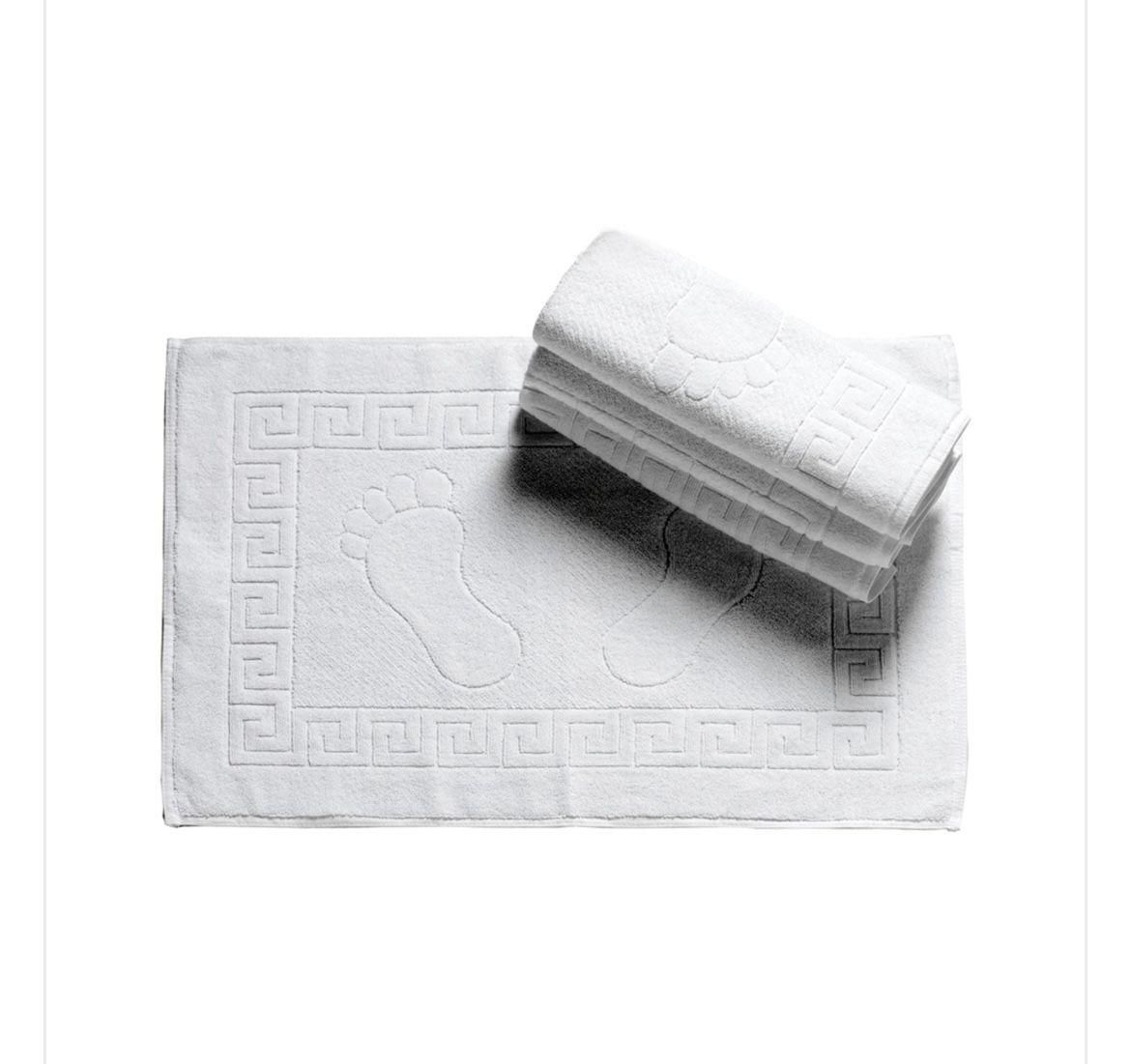
Towels, the bath mat, pillows, the duvet and the bedding set are the part of the room experience guests directly touch. Softness shapes the first impression, while dimensional stability and durability after washing determine the operation's long-term cost. Textile selection should not be based on weight or thread count alone — it should be evaluated through a sample wash test.
When planning spare stock, factor in occupancy, laundry turnaround time, and the damage/retirement rate. Maintaining the same shade of white across future orders has a direct effect on room presentation.
10. Service and housekeeping equipment
Even though guests rarely see them directly, service carts and housekeeping equipment determine the quality of room preparation. Stable wheels, quiet movement, separation of clean and soiled items, a waste compartment, and dimensions suited to corridor width all improve staff efficiency. A cart that is too large can be a hazard in narrow corridors; one that is too small can mean extra trips.
Sample evaluation before purchase
Catalogue information is enough for an initial shortlist, but it does not on its own demonstrate performance under heavy hotel use. A short pilot evaluation should measure installation, how easily guests understand the product, cleaning, noise level and daily check time. Having housekeeping, technical service and purchasing all assess the same sample from their own perspective leads to a sounder decision.
How do you build an in-room equipment standard?
Prepare a brand-independent technical specification for each product. Define fields such as dimensions, material, colour, safety feature, warranty, spare parts and lead time. Then match the equipment to room categories. If standard rooms, suites and accessible rooms have different requirements, define them at the start of the project.
The right equipment choices do more than make a room look elegant: they meet guest needs intuitively and make it easier for staff to deliver the same quality every day. Parpa's hotel equipment options can be reviewed to build a complete sourcing list matched to your property's room standard and target quantity.
Frequently Asked Questions
There is no single criterion. Ease of use for guests, product durability and operational maintenance needs should all be weighed together. The cheapest or most feature-rich product is not the right choice if it does not match how the property actually operates.
A visual and basic function check can be done during room preparation. The technical maintenance interval should be planned according to the product type, usage intensity and manufacturer's recommendation.